SmartAqua · Irrigation in green spaces

SmartAqua: smart irrigation for parks and gardens

Irrigate exactly when the grass needs it. No dry patches and no wasted water.

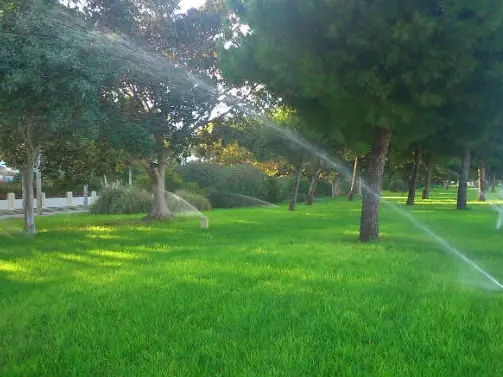
Sprinklers irrigating the lawn of a park with pine trees

BrioAgro SmartAqua is the BrioAgro line for irrigation in green spaces. It applies the smart irrigation technology that BrioAgro developed in precision agriculture to parks and gardens: soil moisture sensors buried next to the roots, weather data and an algorithm that decides when to irrigate based on the soil and the plant.

The result is green spaces with vitality, no dry patches due to under-irrigation, and measurable water use.

BrioAgro has been working with precision agriculture technology since 2014 and with irrigation and fertigation control since 2016.

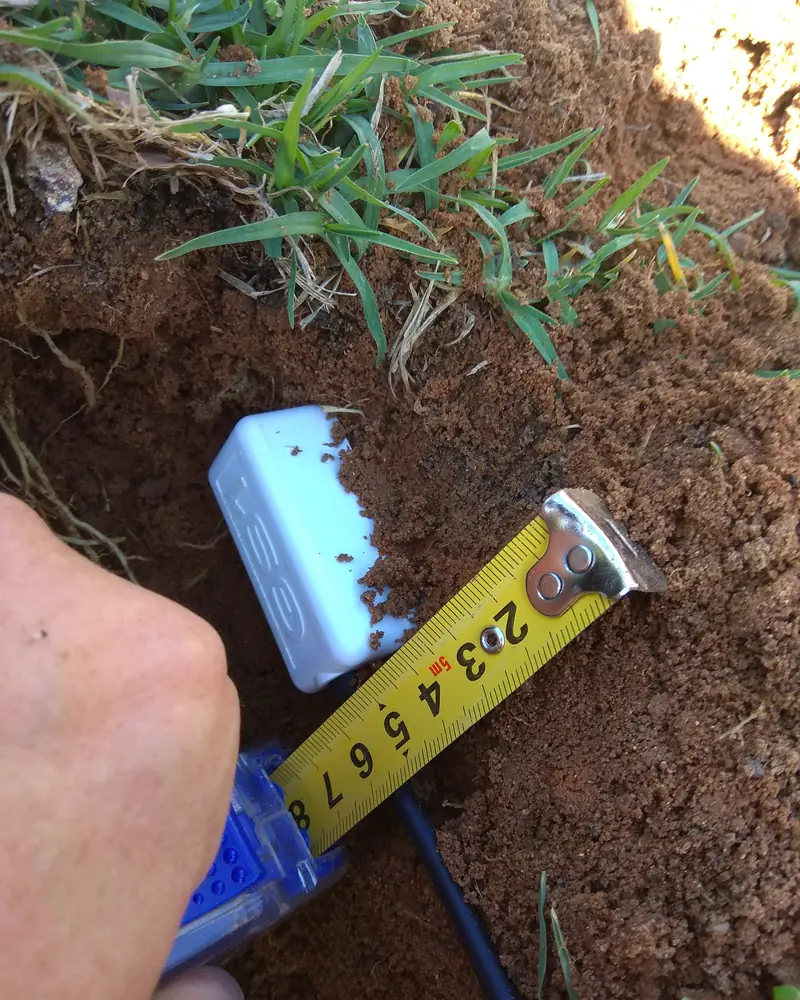
Soil moisture sensor placed at the depth of the lawn's roots

The challenges of irrigating parks and gardens

Dry patches and waterlogged areas

An irrigation controller with fixed schedules does not know what each zone needs. Some areas become waterlogged and others wilt.

Breakdowns and vandalism

A breakage or tampering can go undetected for some time, and until it is repaired, the grass suffers.

Opening hours

You cannot irrigate while the park is open. In summer, the grass can spend many hours under water stress.

Water, energy and labour costs

Over-irrigating costs water and electricity, and manually checking the facilities costs staff hours.

How SmartAqua works

  1. Soil analysis and park condition

    Samples are taken from the zones to be monitored to calibrate the system. In addition, the irrigation sectors, sprinklers and areas with poor irrigation are checked.
  2. Guide sensors under the turf

    One or two sensors are placed per park: a guide sensor for the lawn and another for the shrub area. They are placed next to the roots, between 5 and 10 cm deep, and the grass is placed back on top.
  3. Data, weather and satellite

    The sensors send the data to the cloud, where it is combined with geolocated weather data and the seven-day forecast. Satellite imagery allows the information from the guide sensor to be extended to the rest of the park.
  4. The algorithm decides when and how much to irrigate

    Calibrated according to the soil and plant type, the algorithm keeps the moisture between the appropriate thresholds and respects the schedules when irrigation is allowed.
  5. Irrigation control and alerts

    The system connects to the irrigation controller to trigger irrigation and to the meters to detect breakdowns. If something fails, it alerts the technician.

Two ways to start. SmartAqua can either just provide information to the park staff, who continue irrigating as before, or it can also take charge of triggering the irrigation.

What SmartAqua brings to parks and gardens

Water savings

In parks, the water savings measured by BrioAgro range between 10 and 40%, depending on the plant type and the available irrigation windows. Less water also means less pumping energy and less fertiliser.

Green spaces with vitality

It irrigates exactly when the plant needs it, eliminating dry patches caused by under-irrigation.

Breakdowns detected in time

With a pulse meter, the system detects irrigation in progress with no water flow, water flow without irrigation (leaks or breakages), abnormally low flow rate (blockages or poor pumping) and abnormally high flow rate (leak in a sector). It alerts you by email or via the app.

Less inspection work

Irrigation is managed remotely and the technician supervises instead of managing. Operators no longer have to travel to check facilities.

Fertigation and treatments through irrigation

It can incorporate a dosing pump for fertilisers, rooting agents or plant protection treatments through irrigation.

Integrates with your platform

An API allows the data to be connected with Smart City platforms, ERPs, applications and dashboards.

60 %

of the time with soil moisture within the optimal range with SmartAqua, compared to 43% with manual irrigation.

BrioAgro comparative trial in a technology park, from May to July 2023. In that same trial, SmartAqua detected breakdowns quickly.

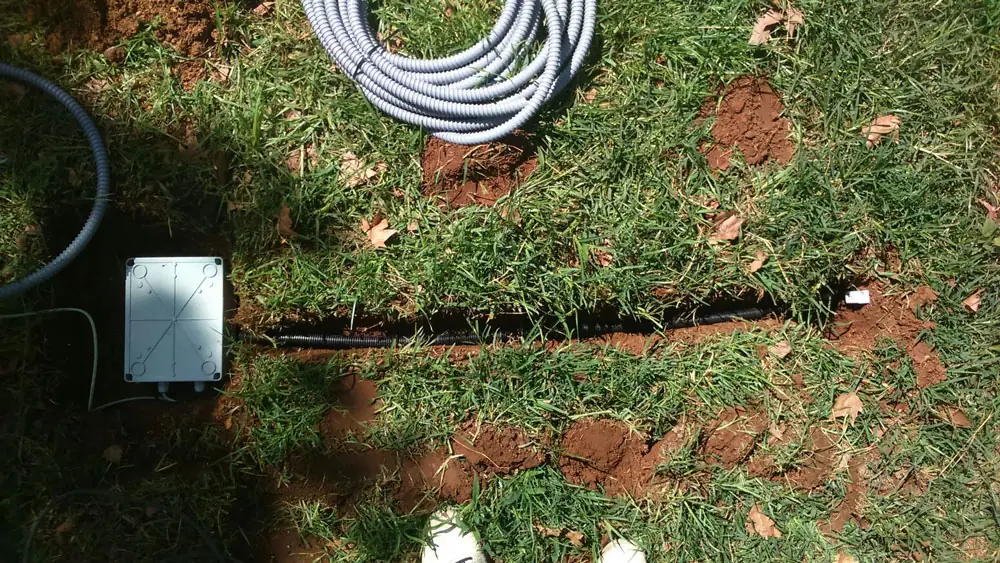
BrioAgro equipment buried under the turf with its wiring

Buried equipment, vandal-proof

The sensors are installed under the grass or inside an irrigation valve box, with no external elements that can be damaged. The battery is left in the nearest valve box and lasts approximately three years.

For repairs, SmartAqua includes an operator mode: a physical button on the device activates basic control from a mobile phone for two hours. The operator can start an irrigation of up to 30 minutes in each sector or stop it, without unnecessary travel and without accidental irrigation from outside the facility.

The sensors are available in two models: ViTA 7, which measures soil moisture, and ViTA 9, which also measures temperature and conductivity.

Installation without breaking the grass

  1. The grass is lifted without breaking it.
  2. The sensor is placed next to the roots, between 5 and 10 cm deep.
  3. The battery is left in the nearest valve box, to be changed later.
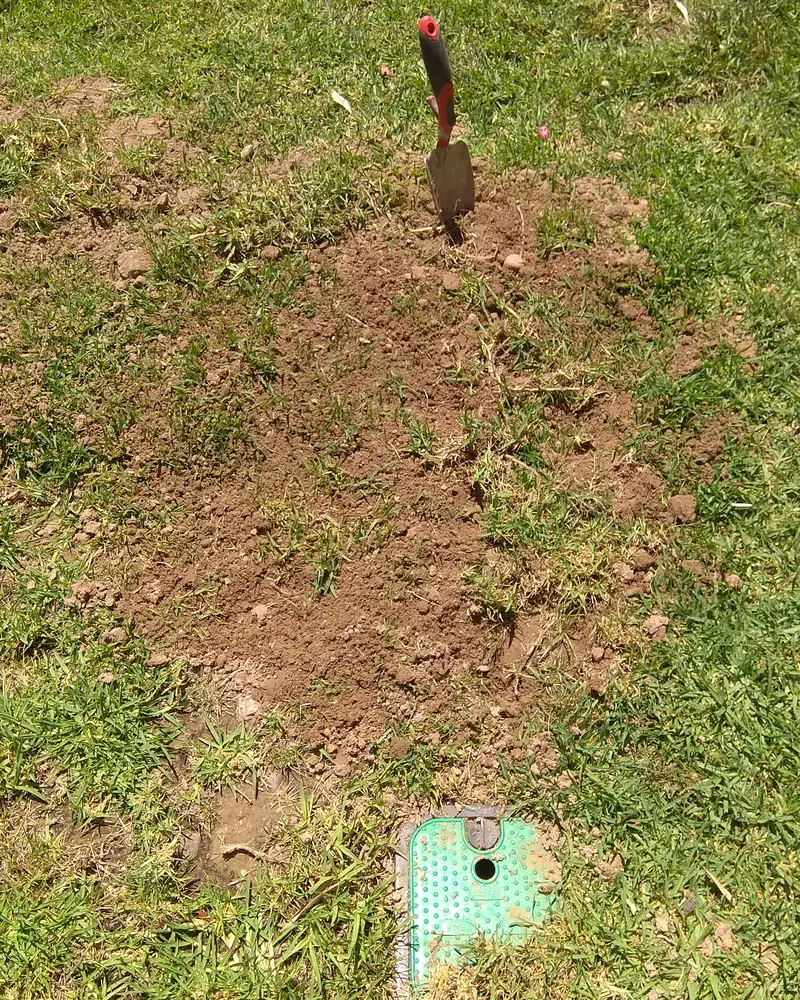
  4. It is covered again, leaving the grass on top of the sensor.
Lawn area after installing a BrioAgro sensor next to an irrigation valve box

Where it has been applied

Parque de los Príncipes · Seville

Parque Vuelta del Castillo · Pamplona

Centro La Cocosa · Badajoz

BrioAgro has also collaborated with the company Árboles Singulares on the specific irrigation of large trees in urban areas.

An irrigation robot for the green spaces technician. Once installed, SmartAqua applies water according to the guidelines set by the technician, without intermediaries. Rather than managing, you only have to supervise.

FAQs

How much can be saved?

In parks, BrioAgro has measured water savings of between 10 and 40%. It depends on the plant type, the soil and the irrigation windows. To verify this in your park, a comparative trial can be carried out against the usual irrigation.

Do I have to change the irrigation system?

In general, the existing installation (pipes, solenoid valves and pumping) is reused. Depending on the case, the irrigation controller is replaced or connected. This is confirmed in the preliminary study of the park.

How many sensors are needed?

Usually one or two per park: one for the lawn and another for the shrubs. They are placed in the most representative areas, after analysing the soil, and the satellite extends that information to the rest of the park.

What about vandalism?

The equipment is buried, with no visible elements. In addition, the system detects abnormal water consumption to locate leaks and breakages.

Can I just use the information, without SmartAqua controlling the irrigation?

Yes. You can start with just sensors and information, and have the park staff continue irrigating as before.

Does it integrate with my local council's platform?

SmartAqua has an API to share data with other platforms, such as Smart City ones or the management systems you already use. This is specified in each project.

Who it is for

Local councils and parks and gardens services

To manage the irrigation of their green spaces with data.

Science and technology parks

To save water and connect the data to their platform.

Green spaces maintenance companies

To supervise more parks with fewer trips.

Do you want to measure how much water your park can save?

Tell us what your park is like and we will explain how we would apply SmartAqua.

Keep exploring

The next step begins on your farm.

Tell us what you grow or how your advisory firm works. The team will help you assess the right solution.

How we get started

We talk about your crop

Tell us how you irrigate, the surface area and what you need to improve.

We measure in the field

The installation and readings are adapted to the characteristics of your farm.

You decide with information

Check soil evolution and work with the support of our team.

Let's talk about your project

CallFree trial