A 35% saving in water used for irrigation has been achieved during the trial period
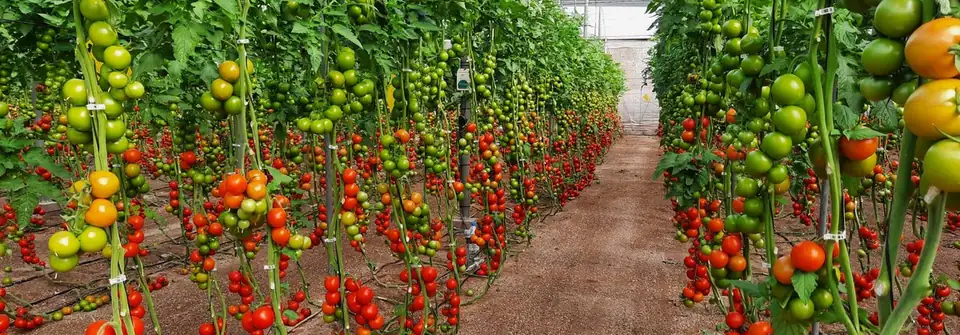
Acrena is a cooperative founded in 1982, producing and marketing cucumbers, peppers, tomato varieties, aubergines, melons and watermelons. There are 350 members who market their products through this SAT. They distribute 40% to the national market and 60% to the European Community.
Industry: Fruit and vegetables
Download PDF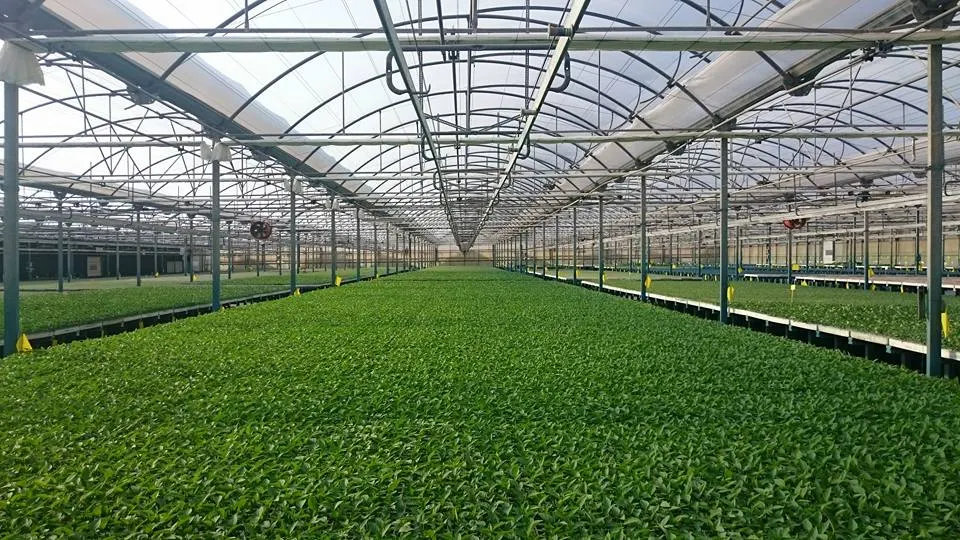
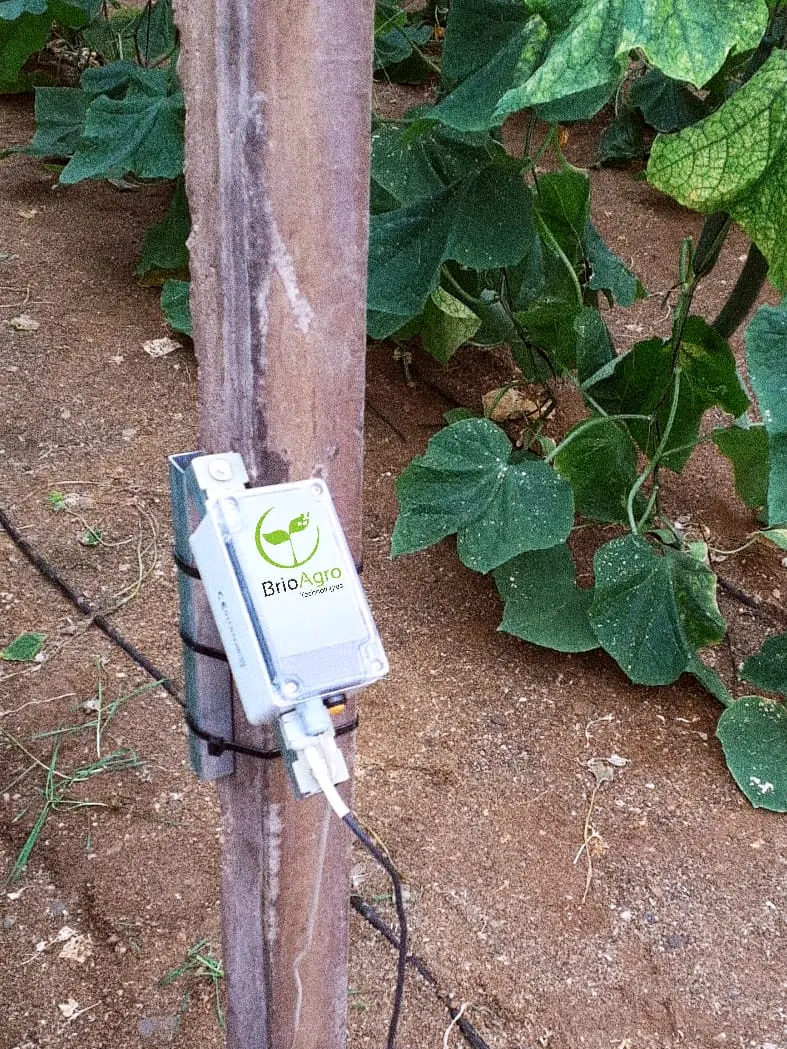
Using BrioAgro devices at Acrena, they have been able to reduce water consumption and, consequently, energy expenditure in irrigation. The BrioAgro system was connected to the irrigation system already existing on the farm to save costs on new installations and to be able to compare traditional irrigation with smart irrigation.
SAT ACRENA is certified by AGROCOLOR with an extension to the UNEGAP standards and protocols (including GLOBAL GAP), GRASP, Field to Folk (F2F), Tesco Nurture (TN) and BRC.
In addition to the cultivated hectares, they have their own seedbed of over 4 hectares, three of which are in greenhouses, with a multi-tunnel structure and equipped with modern climate control and irrigation technology.
The soil on the farm is a clay type.
Step 1
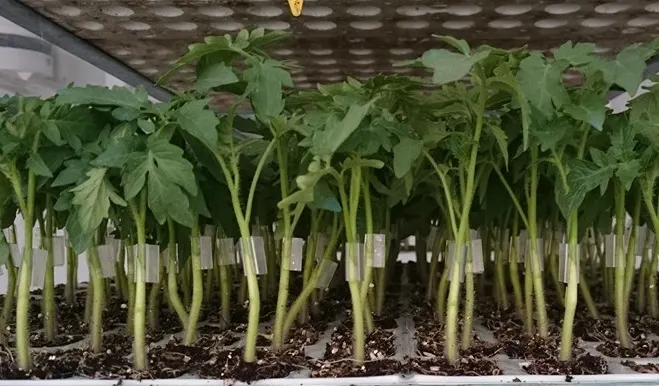
Firstly, BrioAgro carried out a soil characterisation in their cucumber plantations. With this data, the BrioAgro calibration algorithm was adjusted to optimise the irrigation carried out in step 2.
Step 2
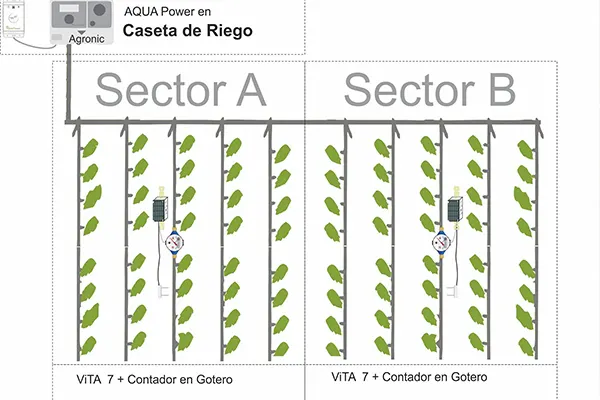
We carried out a comparative irrigation trial (A/B) to see if what the Acrena agronomists were already achieving with manual irrigation could be improved. To do this, two BrioAgro ViTA7 devices with dripper meters were installed to collect data from sectors A and B, and a BrioAgro AquaPower in sector A connected to the existing irrigation controller, carrying out automatic irrigation from 12/12/2022 to 12/01/2023, as shown in the diagram on the left:
Results
Sector A, using BrioAgro technology, has exceeded the objectives set compared to sector B, which was irrigated traditionally by the Acrena agronomists. The following has been achieved:
- Water saving: Sector A consumed 35% less water than sector B.
- Energy saving: Sector A consumed 35% less energy used for irrigation.
- The irrigations in sector A were of higher quality, as 100% of the irrigations were carried out within the correct thresholds for the crop (falling between the readily available water and field capacity); conversely, in sector B only 68% of the irrigations were within these thresholds.