An interesting article analysing the alterations that Climate Change is causing in 10 foods we examine.
Apples are less crisp, lettuces more bitter, grapes more acidic... Global warming is already affecting the taste, shape and nutritional value of the fruit, vegetables and legumes we eat. And the process has only just begun.
Source: Daniel Méndez for XLsemanal (in Spanish)
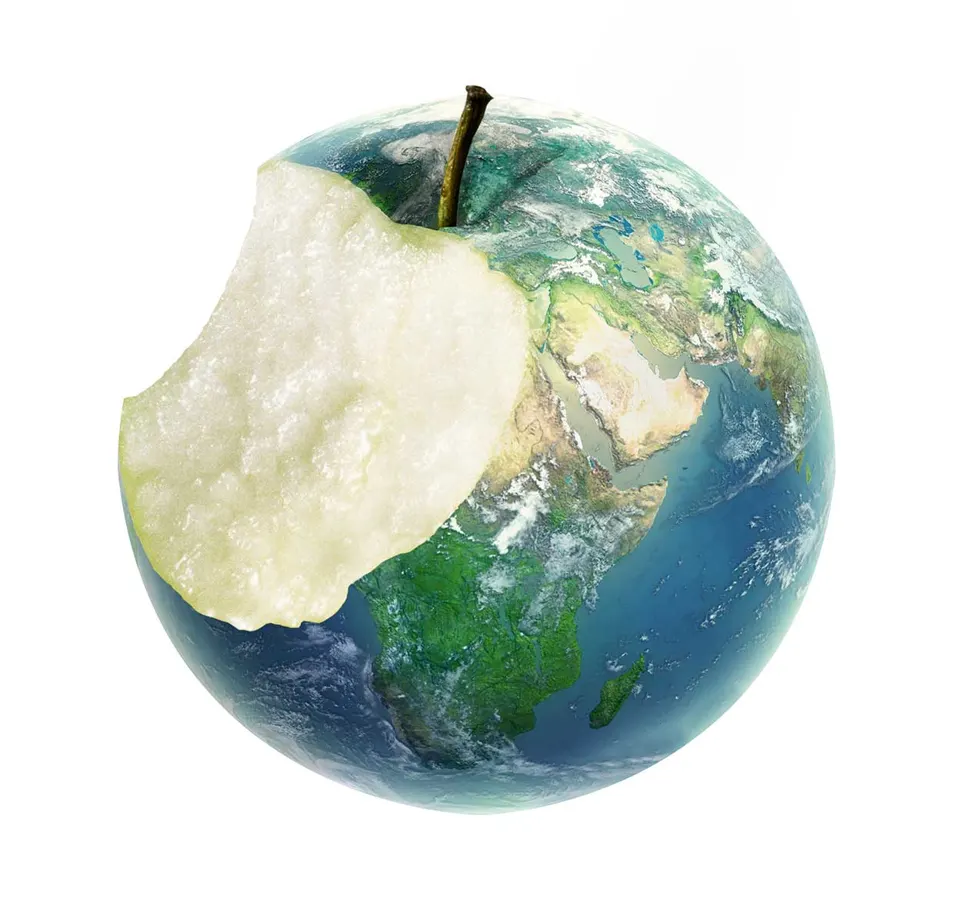
Climate change (in Spanish) tastes of sweeter but much less crisp apples. Of more bitter lettuces. Even of a less acidic wine with more alcohol. The temperature has already risen by one degree compared to the pre-industrial era average, but climate change also brings sudden temperature changes, droughts (in Spanish)... Add to this greenhouse gases and we are faced with a complex phenomenon that is already affecting fruit and vegetables. To survive these changes, plants can reduce their size, delay or advance flowering, ripen their fruit earlier... The biological cycle of many species is being altered and, therefore, their quality.
Beans growing at a daytime temperature of 27 degrees, and a nighttime temperature of 22, are much smaller than those growing at six degrees less. Brief periods of heat cause peas to accelerate their ripening, which, again, leads to smaller products. Lettuce can develop a swollen and less dense head, while showing symptoms of chlorosis (absence of chlorophyll) and an increase in bitter-tasting compounds. Burnt leaves may appear, something that is also observed in broccoli or cabbage.
And often it is not just that they are uglier, but they can also be less healthy: a tomato growing at too high a temperature will have fewer macronutrients and fewer carotenoids, an antioxidant pigment that helps maintain blood pressure or fight cancer (in Spanish).
Some studies suggest that wine production may become unviable in southern Europe and shift to the north
Although it is not all bad news. Heat stress, for example, means that lettuce has “more lactones, which are known as natural ibuprofens”, explains Aurora Díaz, from the Agrifood Institute of Aragon. They give a bitter taste to the vegetable, but are beneficial for health. “For some years now, we have opted for less bitter varieties of vegetables and perhaps we should rethink this”, the researcher reflects.
To tackle climate change (in Spanish), Díaz proposes researching varieties that are more resistant to heat and water stress and, also, looking back at wild varieties, natural survivors that could hide many keys to adapting our crops to a changing situation. “One effect we are already seeing is the lack of winter chill”, explains Javier Rodrigo, from the Agrifood Research and Technology Centre (CITA) of Aragon. “Fruit trees in temperate zones have adapted to survive low winter temperatures.

Panic in the countryside. From the olive grove to the pistachio, including cereals or vegetables, the peninsular map of market gardens and plantations is changing and some crops will cease to be viable in certain areas.
When their leaves fall, they enter a state of dormancy that allows them to withstand 20 degrees below zero. And they need that chill to flower”. It happens that, with the increase in temperature (in Spanish), they take longer to accumulate that chill they require for the correct development of the flower. And, therefore, the cycle is delayed: they take longer to develop the flower. He has seen this in the cherry trees he grows in his experimental orchard.
It also happens that there are varieties that are not self-sufficient: they need what is called cross-pollination; that is, pollen from a different variety to reproduce.
But what happens if they react differently to temperature changes? They will no longer flower at the same time. “We always tell farmers to plant compatible varieties that coincide in flowering. Now we complete this with a fact: they must have similar chilling requirements”.
Not only are they uglier, but they can be less healthy: a tomato growing in high heat has fewer nutrients and substances that protect against cancer
What the expert explains about cherry trees can be applied to other species. From the olive grove to the pistachio, including cereals or vegetables. The peninsular map of market gardens and plantations is changing and some crops will cease to be viable in certain areas. This is already being seen with vines. High temperatures, together with high concentrations of CO2 in the atmosphere, have altered the taste of the grape: more acidic and with more sugar. The most pessimistic studies maintain that, in a few decades, the regions of southern Europe will be too hot for wine production, which could be displaced to the north.
The same applies to rainfed crops, such as wheat or maize. A study states that production in southern Europe will have halved by 2050. Beyond this regional variation, a change in the organoleptic characteristics of certain crops is already visible. A study evaluated how Fuji and Tsugaru apples, two very popular varieties in Japan, had altered. They observed that in 40 years they had gained in sweetness, but lost acidity and firmness. Changes that, occurring gradually, would have gone unnoticed by the consumer.
“But if you could taste an apple harvested 30 years ago, you would notice the difference”, assures Toshihiko Sugiura, the specialist in charge of the experiment. The same can be said of carrots, which have lost flavour, or cabbage, which is more bitter; aubergines grow with greater deformities, which, at the very least, affects the value of the product when it comes to selling it. In return, products such as sweet potato or mango could gain prominence in regions where until now they were barely grown.
10 FOODS UNDER EXAMINATION
Wheat
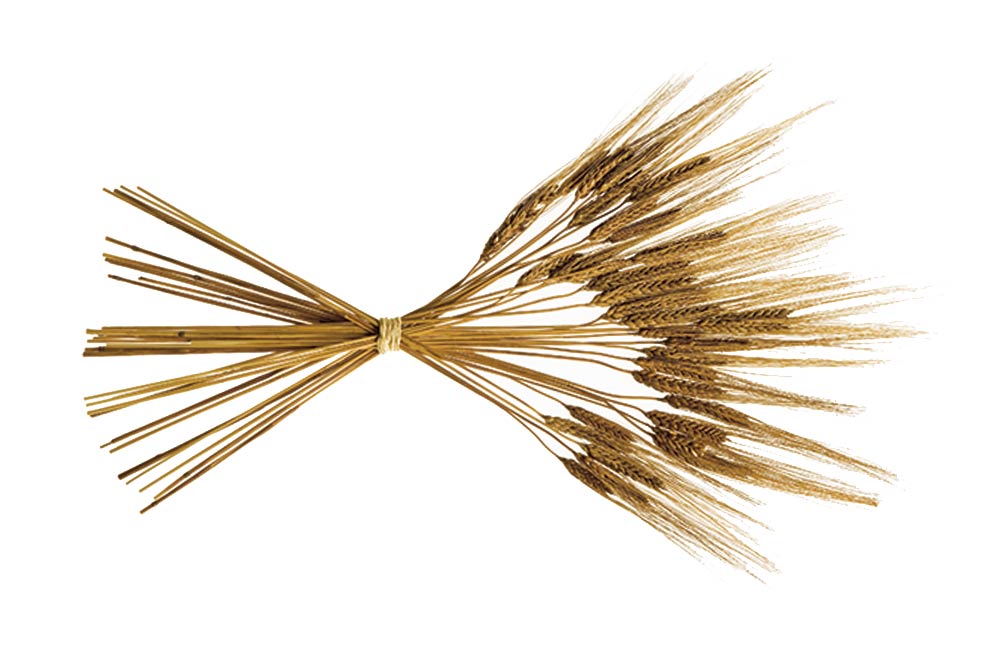
• The lack of rain and the high temperatures recorded at the beginning of May have reduced this year's harvest in Spain. In India, the world's second largest producer, the situation is already so alarming that the country has banned exports.
• The shortage of rainfall in spring has meant that the cereal grows less and high temperatures are reducing the concentration of starch, an important source of energy in our diet.
• In return, genetic improvement has doubled wheat productivity in the last 50 years. Work is already underway on varieties resilient to climate change.
Citrus
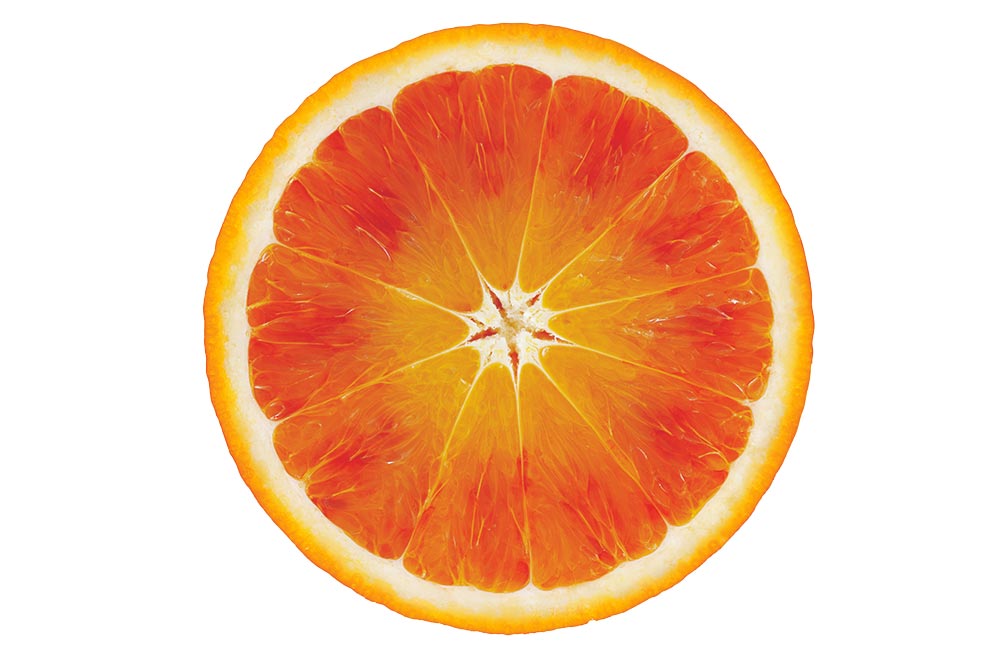
• High temperatures mean that the plant does not complete the chilling cycle during the winter and the fruit loses consistency. The skin detaches from the pulp and it is more vulnerable.
• The lack of water also causes acidity and a pale, less thick skin.
• In return, some good news: faced with a lack of water (in Spanish), the fruit can react with a higher concentration of sorbitol, a natural sweetener that promotes the growth of beneficial bacteria in the intestine (in Spanish).
Apple
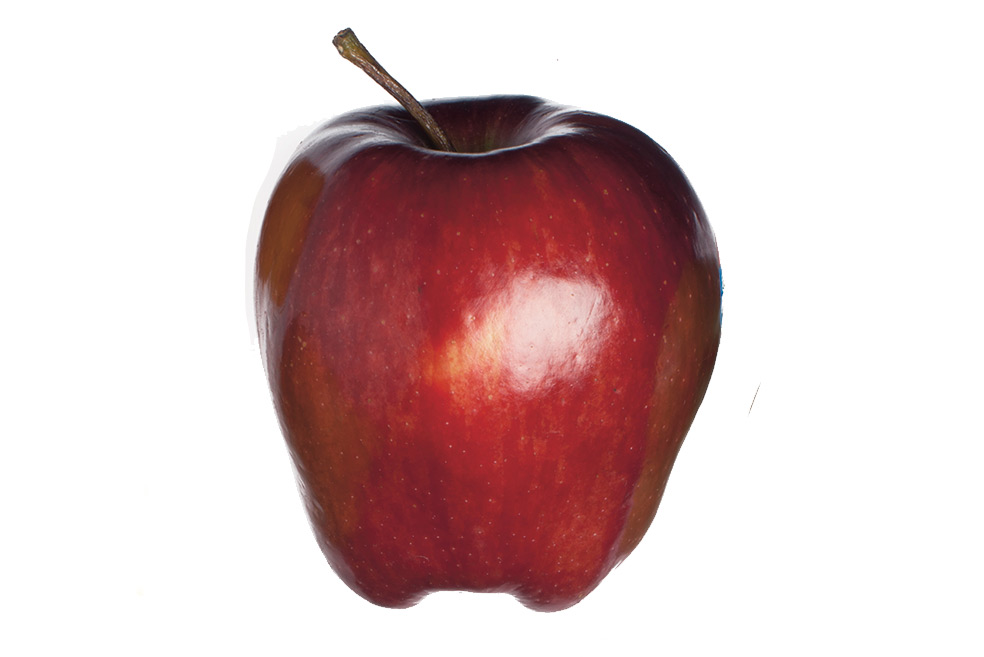
• Chill is essential for apple trees (in Spanish) and pear trees. Depending on the variety, they need between 500 and 1500 chilling hours. The size of the fruit and its firmness depend on this.
• In northern Europe, warming has advanced flowering. In the Mediterranean, the varieties that need the most chill show incomplete flowering and the fruit is lost.
• Warming also causes poor pigmentation in the skin and reduces the presence of anthocyanins, responsible for the red colour of the fruit and beneficial for our health.
• Some good news: according to a study carried out last year in Asturias, the increase of 0.30 degrees Celsius per decade in the region since 1978 has not affected apple trees. Local varieties have been able to adapt.
Grape
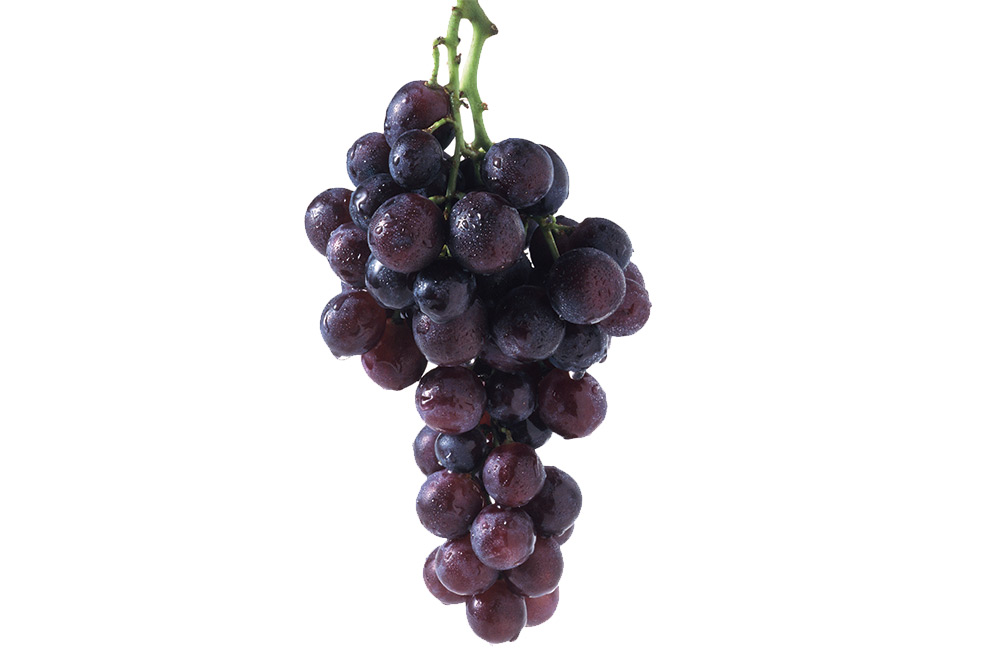
• Climate change has accelerated their annual cycles and this affects the chemical composition of the grape and also the taste of the wine: lower acidity, more alcohol and greater proliferation of microorganisms and mycotoxins (produced by fungi).
• Water shortage also results in grapes being small and with a high concentration of phenolics (they give colour to the wine and affect its quality). And also that it has a lower concentration of malic acids.
• The result is that vine cultivation is already shifting to the north or to higher plantations.
• It is not all bad news. High temperatures and lack of water cause the fruit to accumulate anthocyanins, which act as antioxidants and protect the grape from the heat.
Tomato
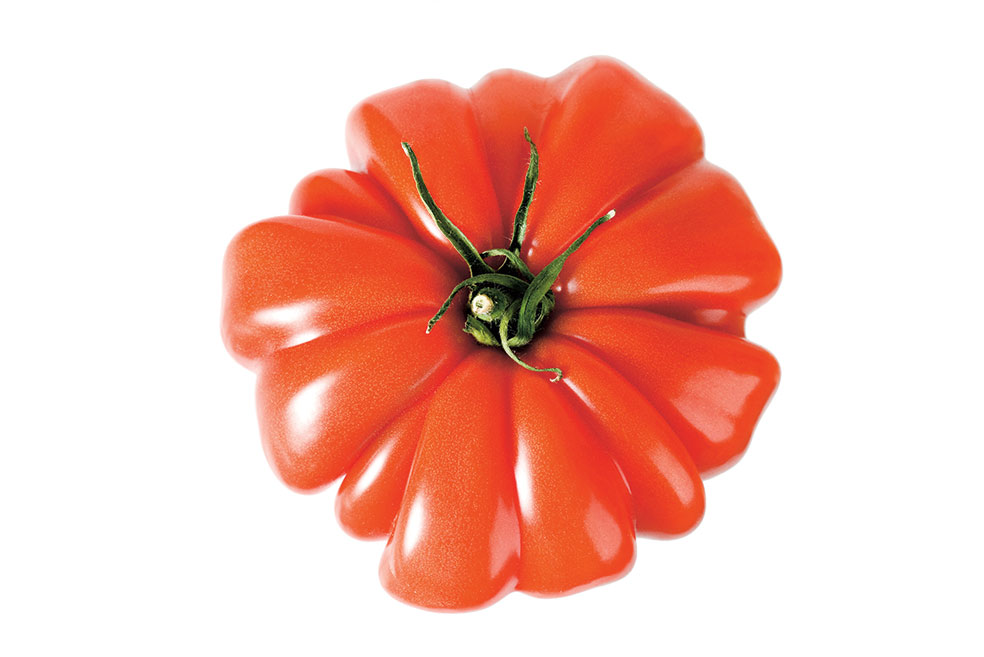
• Global tomato production has tripled in the last four decades. But in Europe it is decreasing. In countries like the United Kingdom there have been periods of shortage (and sky-high prices). So scientists are designing heat-resistant varieties.
• The problem is that high temperatures, those above 35 degrees, decrease pollen viability and reduce flowering. This translates into lower crop yields and a less intense colour.
• The Mediterranean area remains optimal for tomato growth. The same is not true for North Africa, except for the coastal strip.
• The dry environment and high temperatures cause pests. In Mallorca they have been suffering for years from the invasion of the tomato hornworm, Manduca quinquemaculata.
Lettuce
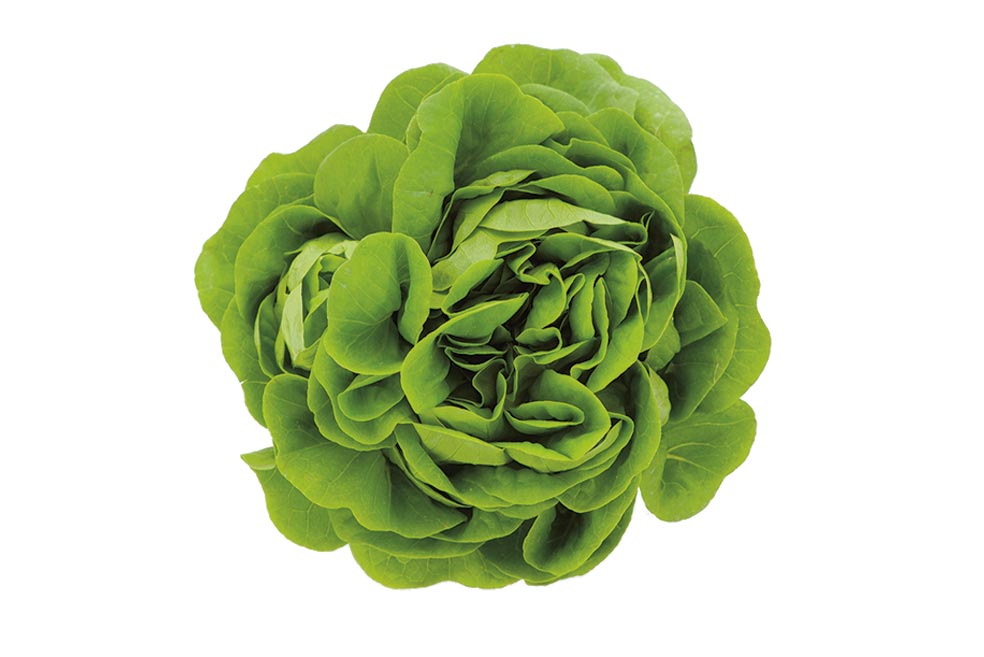
• When the temperature exceeds 30 degrees, burns or necrosis occur at the tips of the leaves. For this reason, a shift of crops towards the north is already being observed in Spain.
• Lettuce (in Spanish) also needs notable changes between daytime and nighttime temperatures. Otherwise, it develops chlorosis (that is, absence of green colouration due to lack of chlorophyll) and accumulation of bitter-tasting compounds... which are often healthy.
• Having small roots, it is very vulnerable to a lack of water. To combat this, the plant develops healthy compounds such as polyphenols.
• Work is already underway on the gene editing of lettuces. Currently, seeds are used that allow short lettuce cultivation cycles to be completed: ready in 30 days.
Carrot
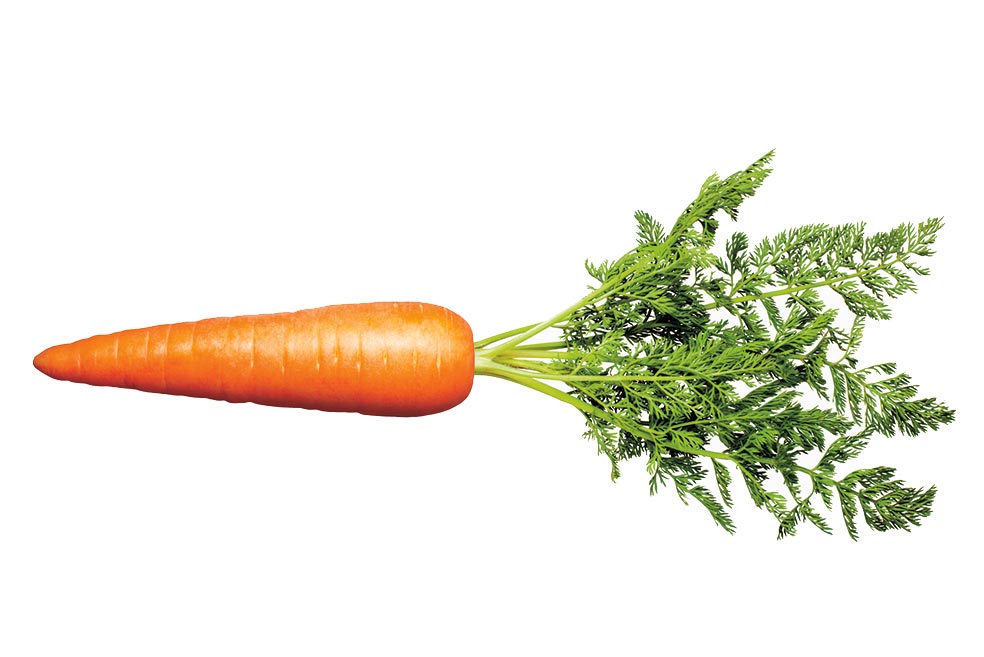
• This vegetable needs plenty of water. So in years of low rainfall it has less flavour and a less crisp texture.
• High temperatures make them less sweet. And an excess of water such as that which torrential rains can cause leads to the appearance of cracks.
Peach
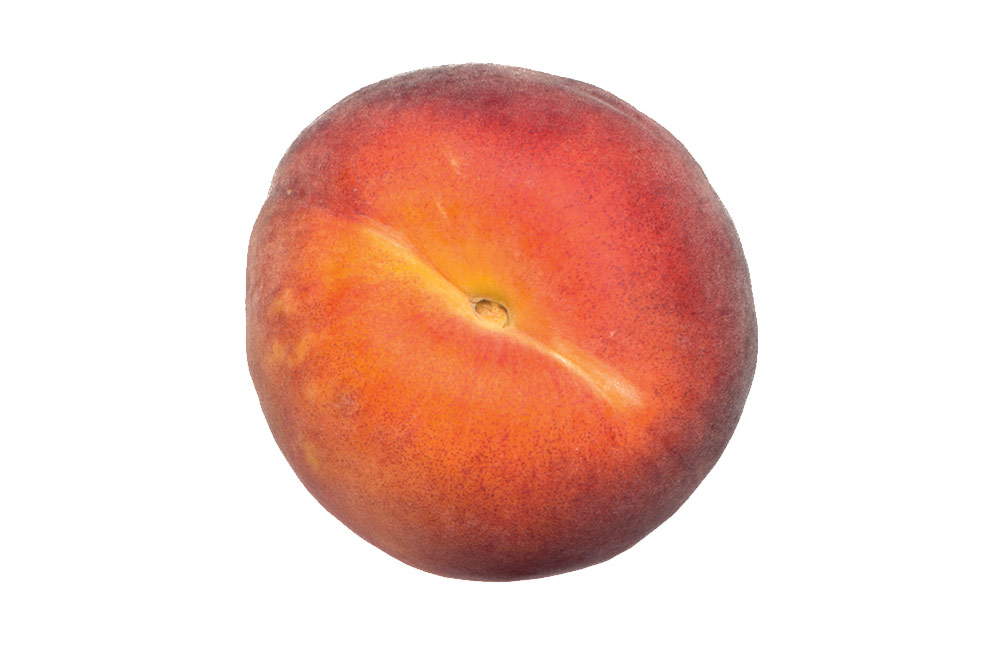
• Like the rest of evergreen trees, it needs a good dose of chill in the winter dormancy phase. In regions such as the southern United States, its development is already being threatened. Also in Spain, Italy or France.
• A lack of water increases the concentration of bioactive compounds, glucose and fructose, which translates into sweeter peaches. But also into smaller fruits and altered ripening cycles.
• High exposure to CO2 increases the concentration of sucrose, lactone and norisoprenoids in the fruit: all these compounds contribute to a pleasant flavour.
Kiwi
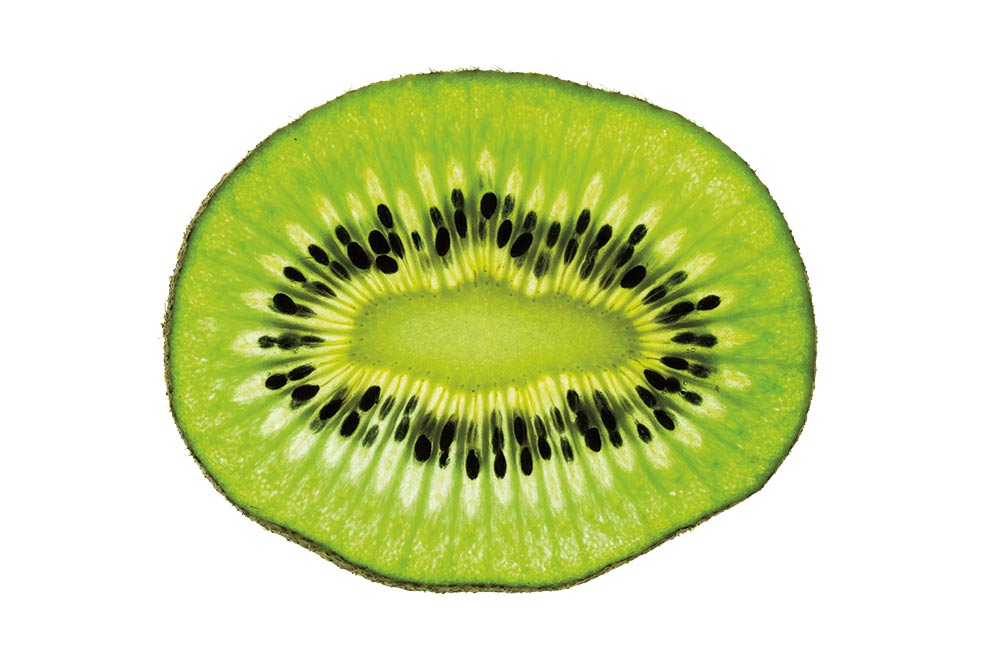
• Last year, kiwi production in Europe was 700,000 tonnes: 3 per cent less than in 2020. Since 2015, 15 per cent of production has been lost. The reason? Spring frosts and the disease known as ‘kiwi moria’ in Italy, the main European producer.
• High summer temperatures have also affected its production. They cause root deterioration and result in larger plants, but with fewer fruits. And fewer flowers in the following season.
• It is a plant that is very sensitive to water stress, which causes a lower concentration of sodium, which regulates the concentration of fluids in the plant (and in our bodies).
Olive
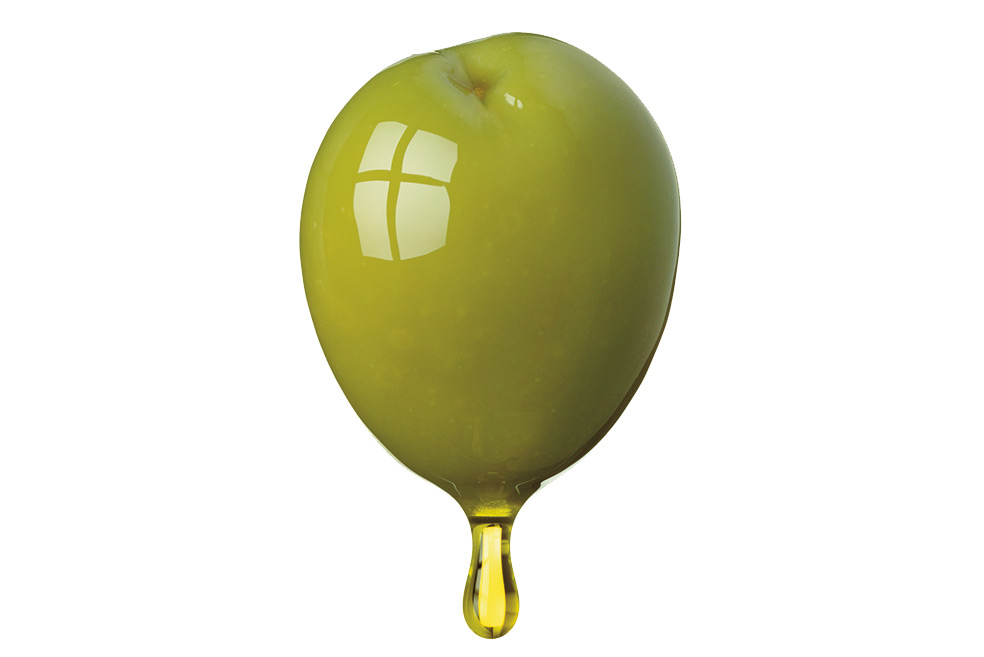
• The temperature increase accelerates the cycles, forcing an early harvest, with a lower maturity level. And an olive of poorer quality and smaller size.
• The olive tree is very tolerant to a lack of water. It even yields a better quality oil provided the water stress is not excessive, which leads to a more bitter oil with a lower oleic acid and aroma content.
• High temperatures in summer, when the fruit develops, cause a reduction of proteins in the olive.
• The viability of the olive grove depends heavily on its variety. Hojiblanca, manzanilla, picual or nevadillo are already threatened in Andalusia due to the absence of chilling hours in winter and the lack of rainfall in summer (in Spanish).
Watermelon
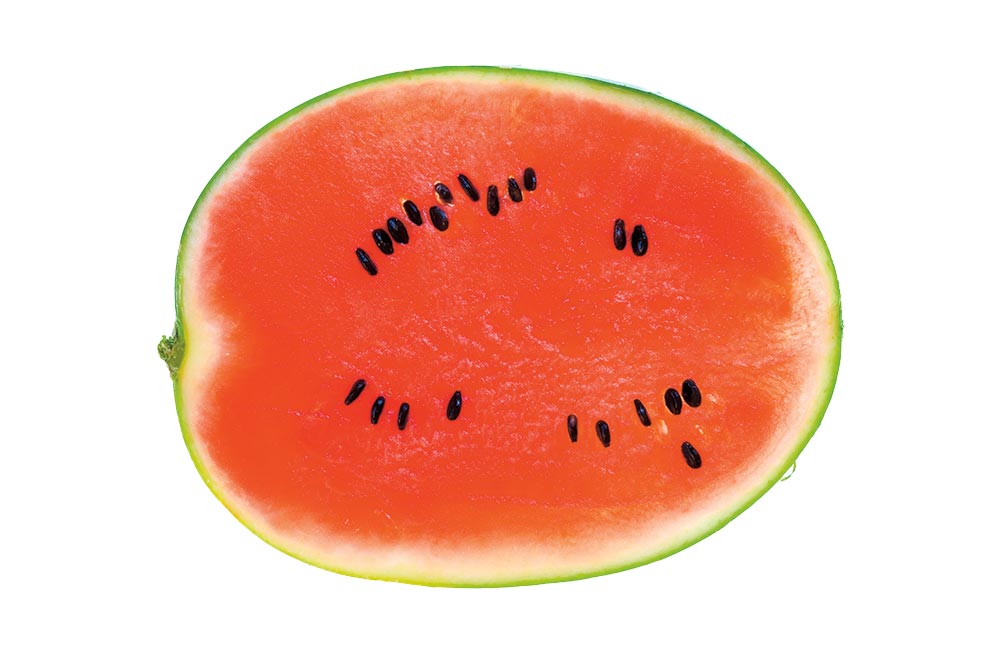
• It originates from the Kalahari Desert (where it still grows wild) and was already present in Ancient Egypt (in Spanish). This shows its resistance to heat. In fact, high temperatures enhance its sweet flavour.
• Despite their high water content, they remain a safe bet in arid and semi-arid climates, such as Morocco.
• In recent years, multiple local varieties have been replaced by genetically modified ones tailored to consumer tastes: smaller, sweeter and seedless. But less adapted to present and future climatic conditions.