An experiment with chickpea seeds shows that plants can grow on the Moon despite the challenges. This finding suggests the possibility of extraterrestrial crops that would support long-duration space missions.
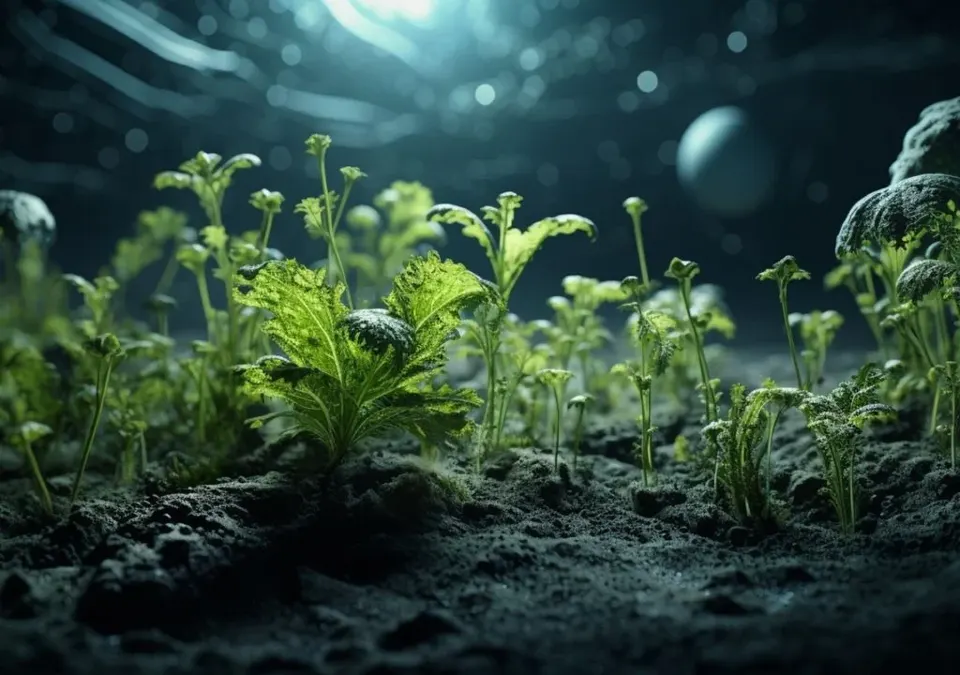
A recent scientific study has investigated how seeds would develop on the surface of the Moon. The result has been a resounding success, as growing chickpeas in lunar regolith simulants (LRS) has thrived remarkably. This milestone, led by researchers from Texas A&M and Brown University, paves the way for the possibility of growing food in extraterrestrial environments.
The findings of this research are overwhelming and revolutionary for developing more efficient methods of growing food using extraterrestrial resources. The successful growth of seeds in a lunar surface simulant is an unprecedented discovery, vital for the advancement of space programmes such as NASA's Artemis, which aims to return astronauts to the lunar surface.
Jessica Atkin, the lead author of the study, Graduate Student at Texas A&M explains how, on Earth, the soil is full of nutrient-rich organic matter and microorganisms that promote plant growth. On the Moon, the challenges for plant growth are constant: these elements are missing, and gravity, radiation and toxic elements change.
To carry out the study, the researchers compared the relationship between vermicompost (VC) and arbuscular mycorrhizal fungi (AMF) with the aim of creating a structure that simulated a productive lunar surface (LSR) for the successful cultivation of chickpeas (Cicer arietinum).
The experiments were scheduled to continue for 120 days, but the results were astonishing, and the seeds had fully grown by day 16. Not only that, but they continued to grow until week 11.
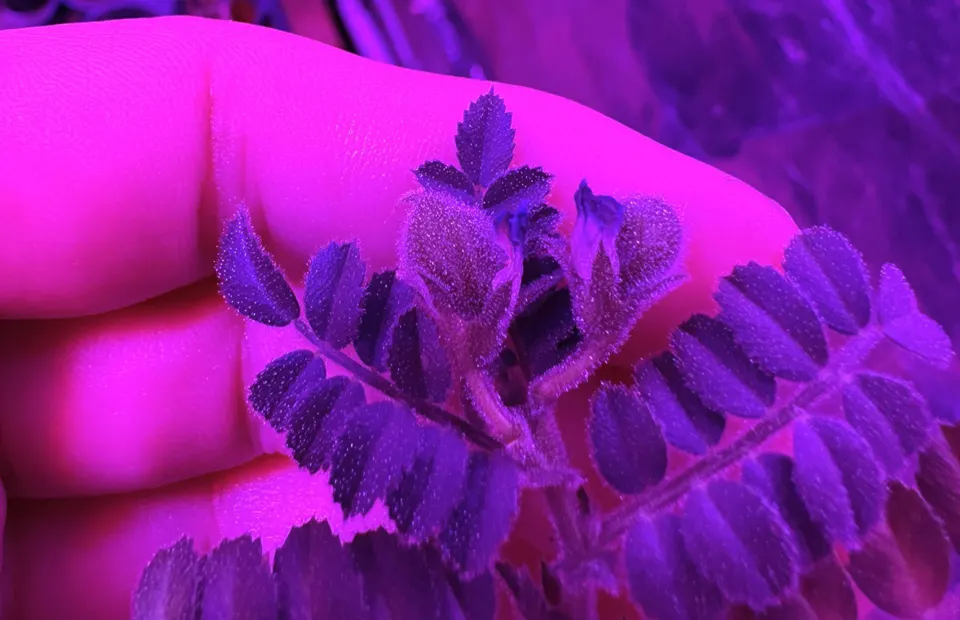
Courtesy of Jessica Atkin Inoculated seed
Despite the results, all the plants showed signs of chlorophyll deficiency, the vital pigment for photosynthesis that absorbs sunlight. However, the researchers observed an improvement from the seventh week onwards, attributed to the successful inoculation of the incorporated arbuscular mycorrhizal fungi (AMF).
It marks a turning point in the sustainable exploration and colonisation of space. Demonstrating the viability of growing food in extraterrestrial environments using innovative techniques and resources available on the Moon opens new frontiers in space research and human survival beyond Earth.
Source: Kay Ledbetter AgrilifeTODAY Texas.